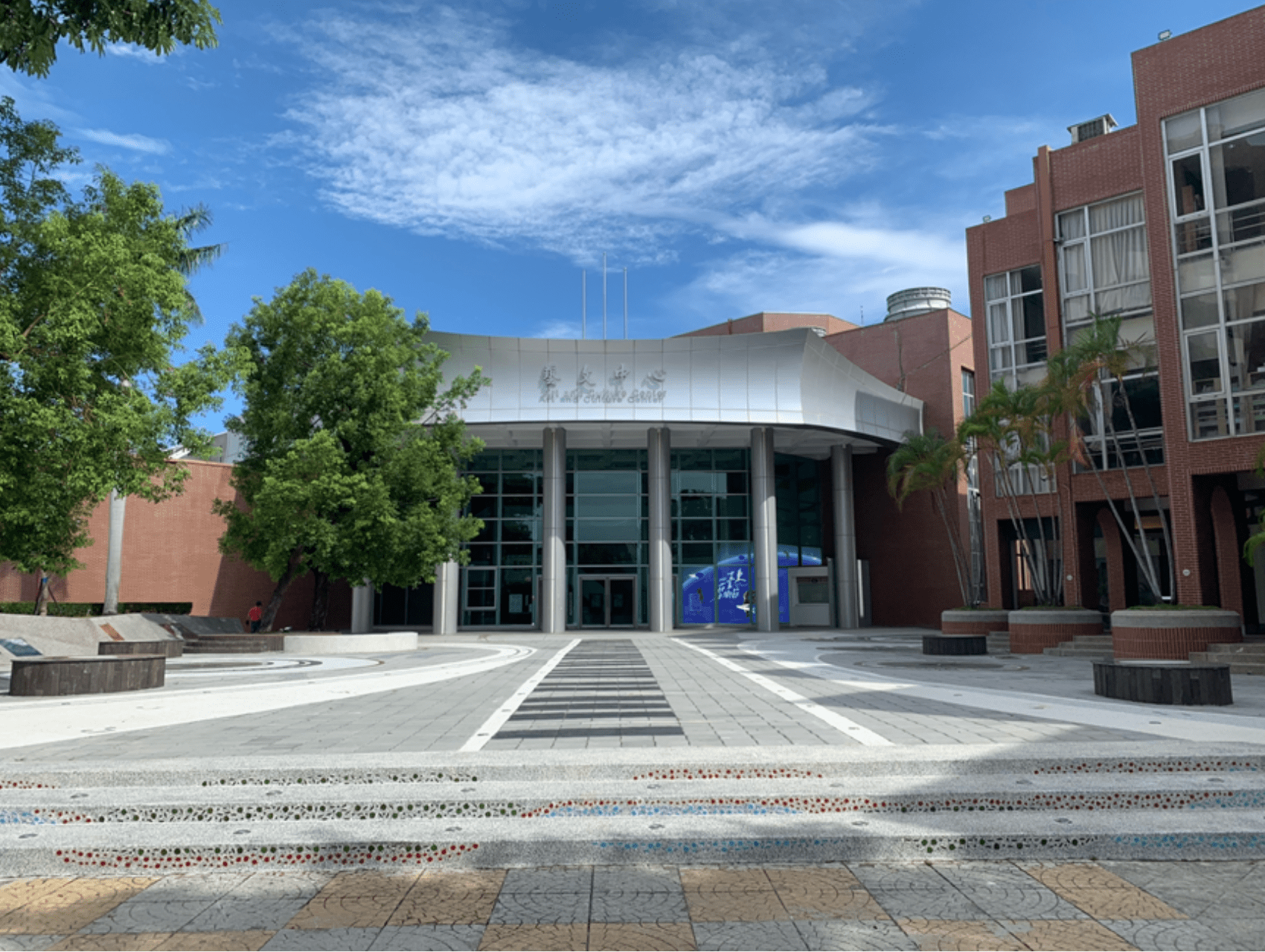
When six artists from across regions use craft as their language—engaging with local artisans and tribal elders, gathering clay, dyeing fibers, weaving, hammering metal, and experimenting with fire—they begin a profound dialogue that transcends geography and words. What kind of energy and vision will emerge when creation becomes a response to the mountains, the sea, and culture itself?

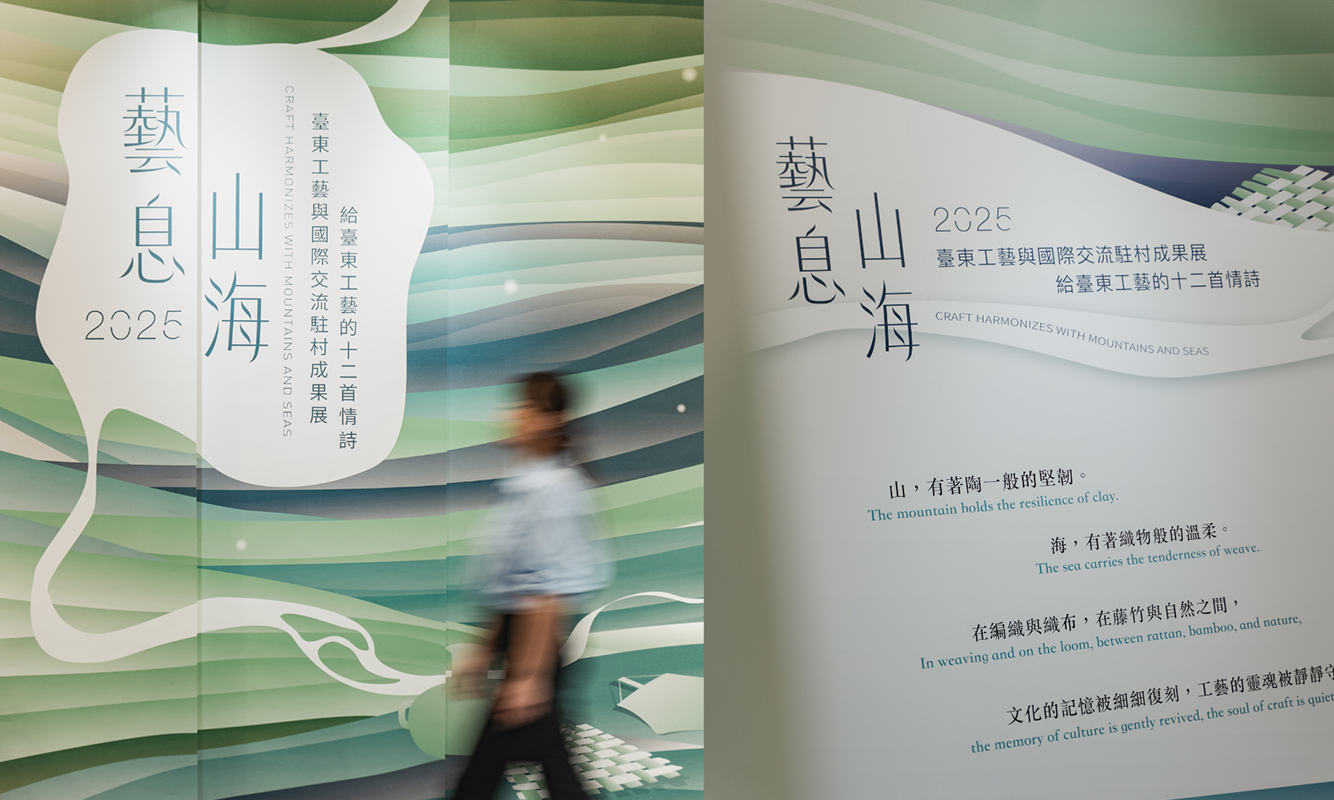
Craft Harmonizes with Mountains and Seas : Twelve Love Poems for Taitung Craft Opening a Dialogue Between the Land and the World :::
▲Twelve Love Poems for Taitung Craft (Photo/Taitung County Government)
As part of the 2025 Taitung Craft and International Exchange Residency Project, the Taitung County Government centers its efforts on craft, linking international residencies and cross-cultural collaborations. Rooted in the spirit of “learning from nature and grounding in culture,” Taitung has become a place where global craft languages converge. Under the theme “Craft Harmonizes with Mountains and Seas : Twelve Love Poems for Taitung Craft” six artists from Taiwan and abroad use ceramics, weaving, dyeing, rattan, kite-making, and metalwork to express their connection with the land. Together, they present twelve works—twelve stories—of how craft embodies the intertwined essence of nature, humanity, and culture. The exhibition runs from October 24 to November 2 at Page Café, Taitung Story House (1F).
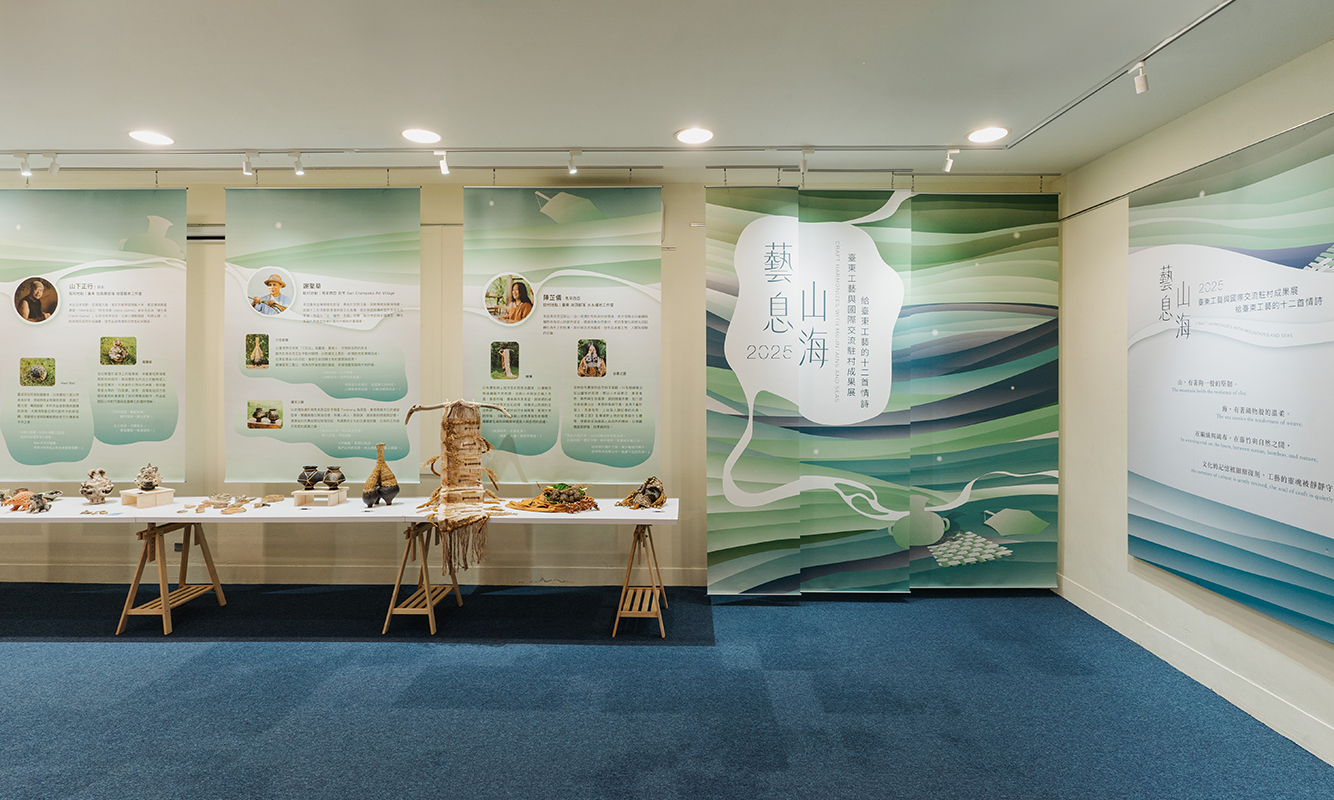
▲Twelve Love Poems for Taitung Craft (Photo/Taitung County Government)
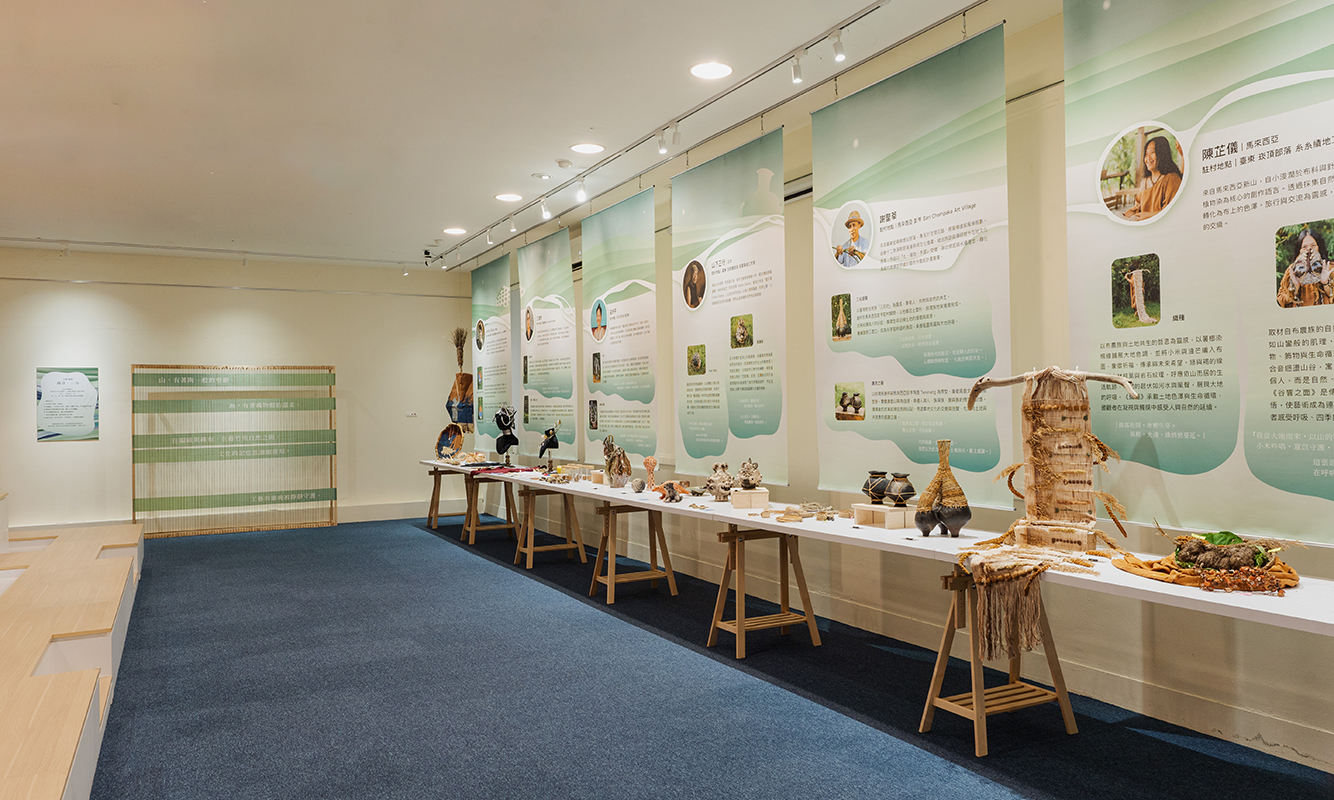
▲Twelve Love Poems for Taitung Craft (Photo/Taitung County Government)
Now in its third year, the Taitung Craft Residency Program continues to promote international exchange. Each year, three local artisans are selected to take part in overseas residencies, while Taitung welcomes artists from abroad. This year, the program extended its residency duration, allowing participants to spend more time immersing themselves in the local landscape, culture, and materials. The goal is to inspire new forms of creative expression born from the encounter between Taitung and the world. The 2025 participating artists are Taitung-based artisans Wu Yi-Ping, Hsieh Sheng-Hua, and Wang Chien-Chieh; and international artists Masayuki Yamashita (Japan), Tan Cheww Yee (Malaysia), and Jordan Carey (Bermuda).
▲Twelve Love Poems for Taitung Craft (Photo/Taitung County Government)
❝ ────────────── 《Craft Harmonizes with Mountains and Seas》 The mountain holds the resilience of clay. The sea carries the tenderness of weave. In weaving and on the loom, between rattan, bamboo, and nature, the memory of culture is gently revived, The soul of craft is quietly preserved. ──────────────── ❞
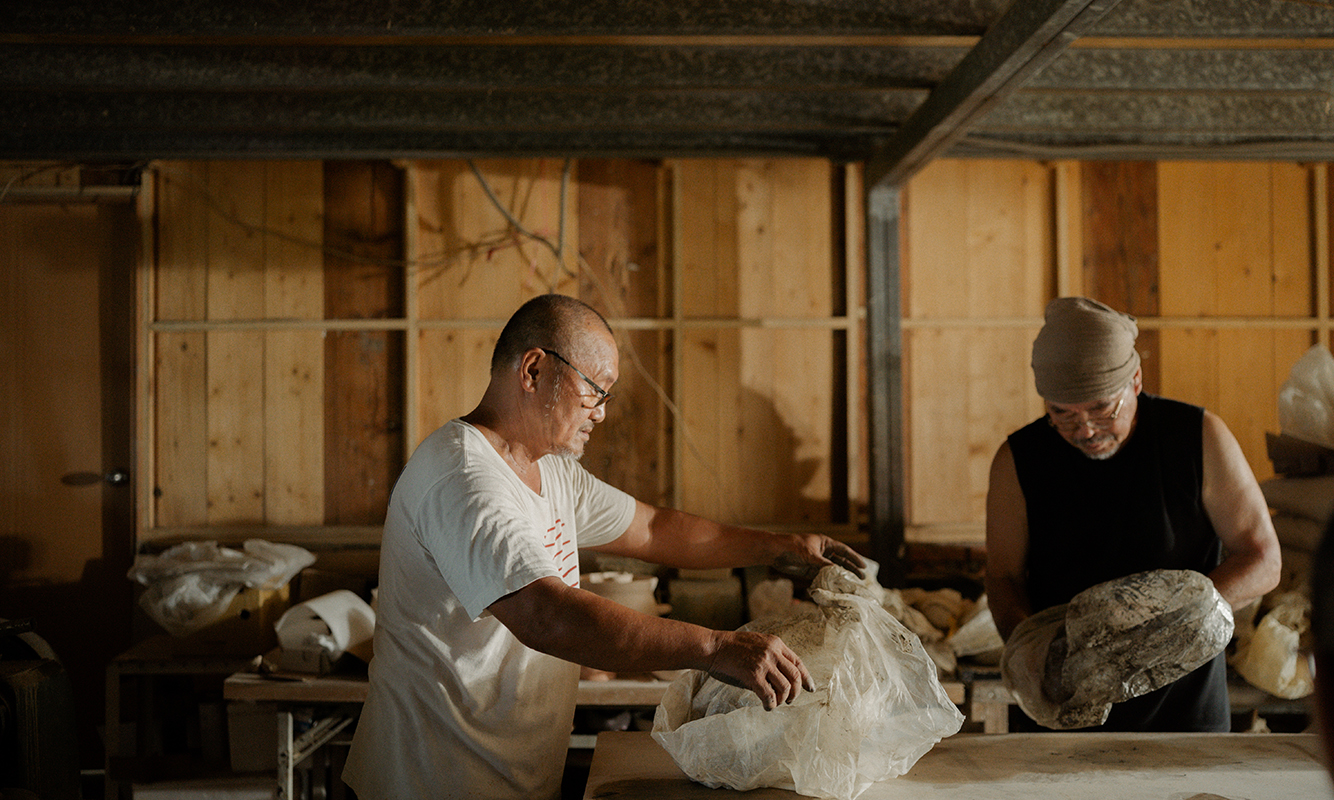
▲Japanese ceramic artist Masayuki Yamashita (right) works in residence at Hani Art Studio with artist Hani (left). (Photo/Taitung County Government)
The mountain holds the resilience of clay.
Masayuki Yamashita, a Japanese ceramic artist, came to Taitung for his first-ever overseas residency—and his first visit to Taiwan. His work 《Hani Ball》features Amis motifs carved into a clay sphere. Upon learning that Hani Art Studio in Taitung is reviving traditional Amis pottery, he created this work in response, linking cultural continuation through clay. The name Hani Ball echoes both the Amis artist “Hani” and Yamashita’s kiln in Yakushima, Hanii Gama, symbolizing a cross-regional bond. Known for his animal and mythical ceramic sculptures, Yamashita was also inspired by a visit to Tainan, where he learned of a local guardian lion with “faces on all four sides” that ward off evil from every direction. This inspired his wood-fired ceramic《Wind Lion》, envisioned as a protector of Amis culture and tradition.
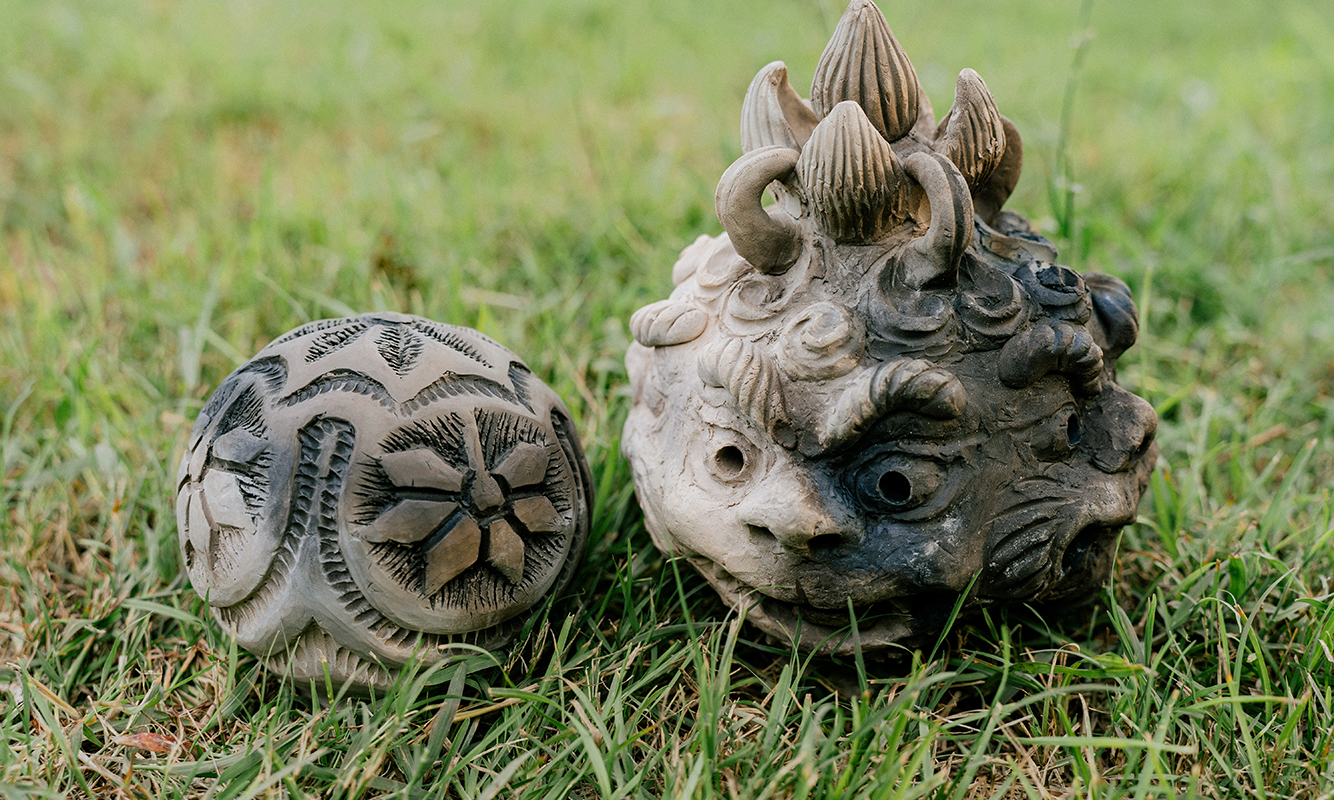
▲Works by Japanese ceramic artist Masayuki Yamashita《Hani Ball》&《Wind Lion》(from left to right) (Photo/Taitung County Government)
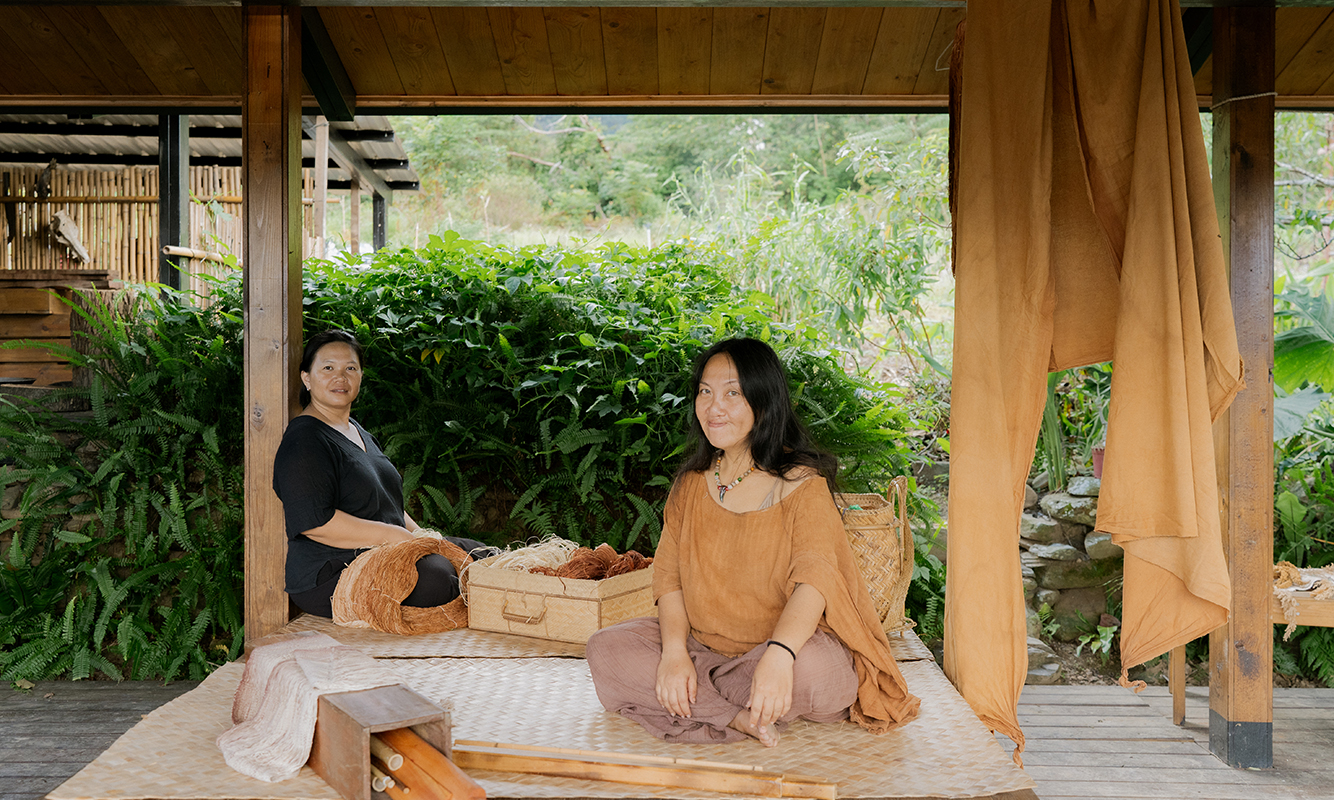
▲Malaysian artist Tan Cheew Yee (front) learns traditional ground weaving from Bunun weaver Ibu (back). (Photo/Taitung County Government)
The sea carries the tenderness of weave.
Malaysian textile artist Tan Cheew Yeei (Ireen) was deeply moved on her first night in the Bunun village of Kanting, where elders welcomed her with traditional polyphonic chants. They gave her a Bunun name—Airu—symbolizing her acceptance into the community. 《Face of the Valley》echoes inspiration from the textures of mountains, interweaving millet and Job’s tears as symbols of harvest and blessing. Bronze bells sewn into the piece sway gently in the wind, their ringing echoing through the valleys—both a call and a form of protection. Working alongside Ibu, a Bunun weaving artisan, Ireen learned the traditional backstrap weaving technique she had long admired. 《Woven Seeds》reflects the Bunun worldview of living with the mountain and centering life around millet. Using areca-dyed cotton threads and natural fibers, she weaves a “field of hope,” embedding memory, life, and land within the cloth.
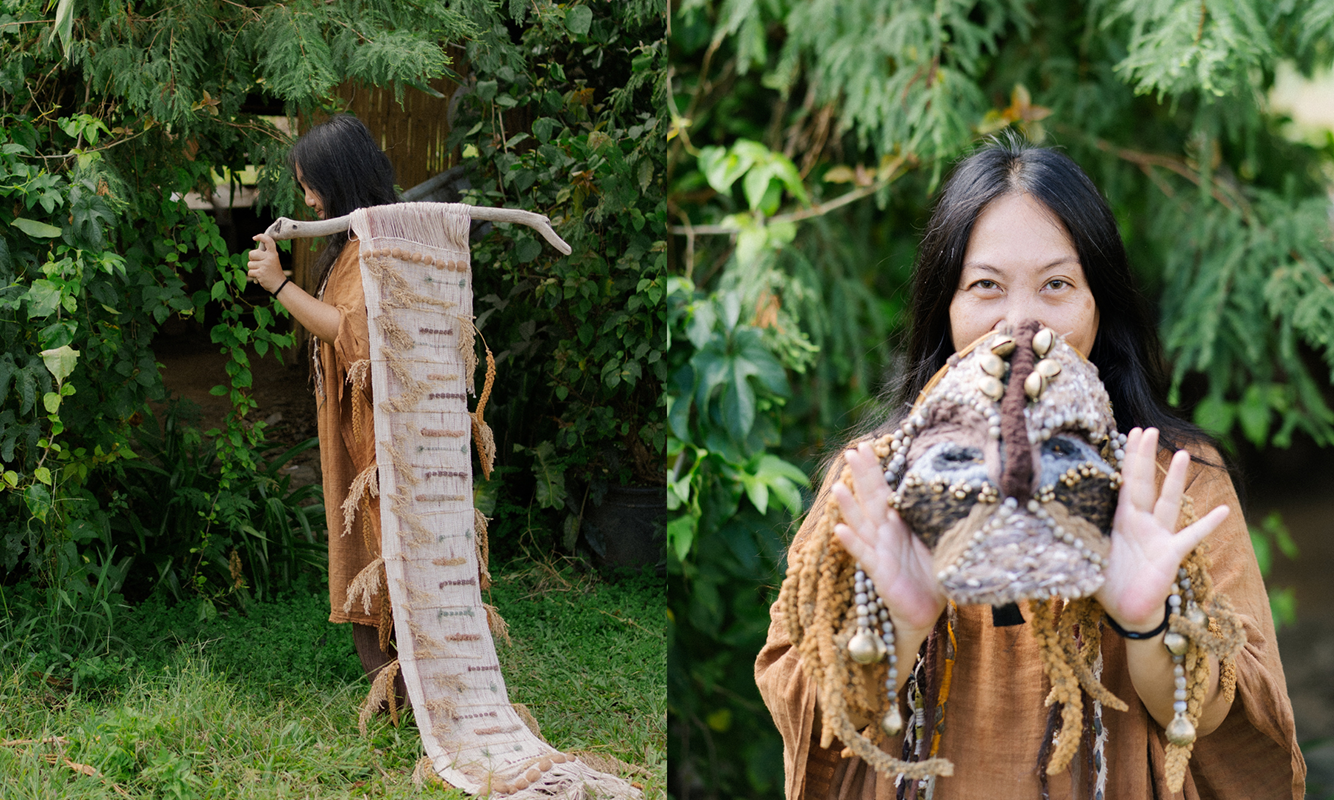
▲Works by Malaysian artist Tan Cheew Yee《Woven Seeds》&《Face of the Valley》(from left to right) (Photo/Taitung County Government)
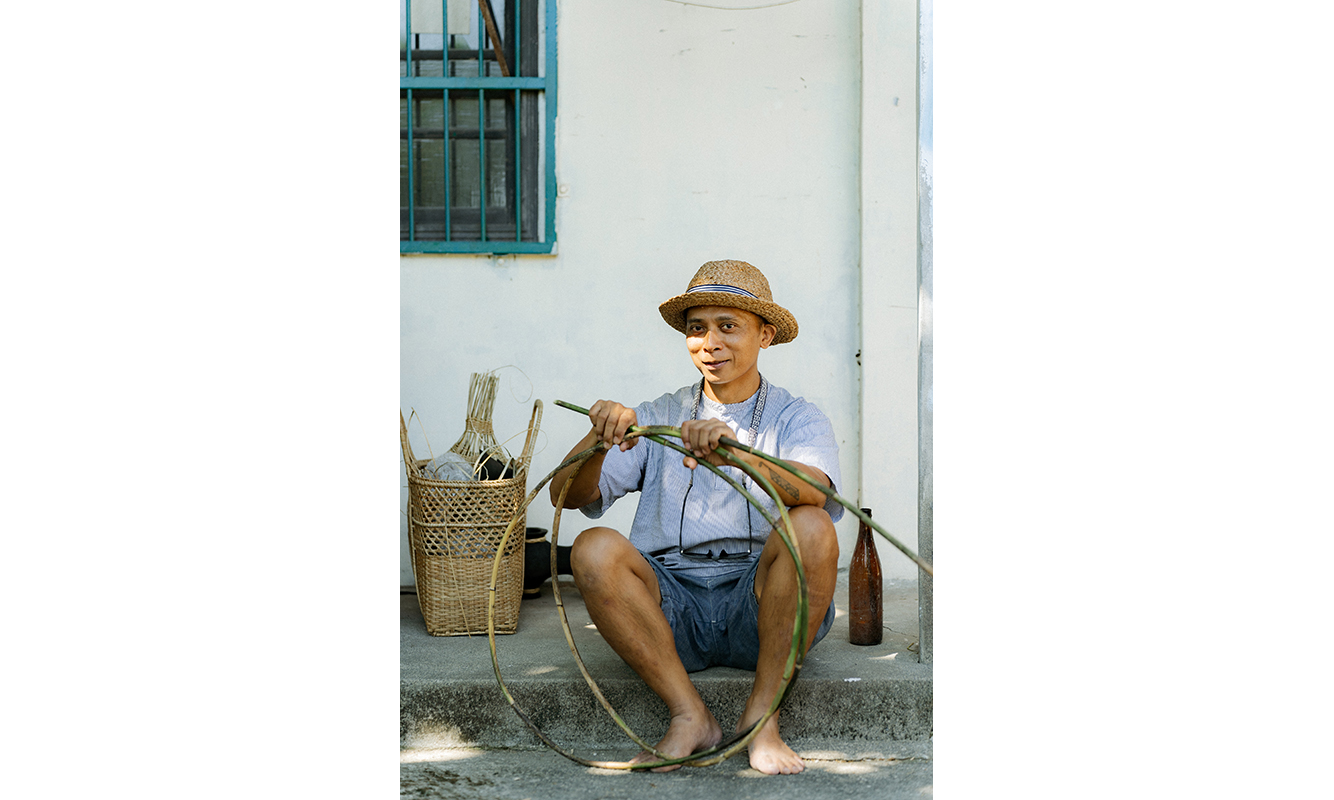
▲Taitung craft artist Hsieh Sheng-Hua (Photo/Taitung County Government)
In weaving and on the loom
Hsieh Sheng-Hua, from Rulakes in Taimali Township, spent his residency at Sari Chempaka Art Village in Pahang, Malaysia. Through observing the local soil, plants, and handmade crafts, he explored connections between Taitung and Malaysia. 《The Echo of Three Stones》is inspired by the“three-stone stove,” a symbol found in many Indigenous Taiwanese communities representing family and the ancestral hearth. Created from Malaysian clay and Taitung rattan, the vessel’s three openings merge into one, symbolizing gratitude to the earth and the shared breath between heaven and land. 《The Flowing Vessel》combines the form of Malaysia’s Terenang pot and the Paiwan Djilung, rooted in the Paiwan concept of langalj—“to share, to coexist, to sustain.” The vessel embodies the spirit of connection across the Austronesian world.
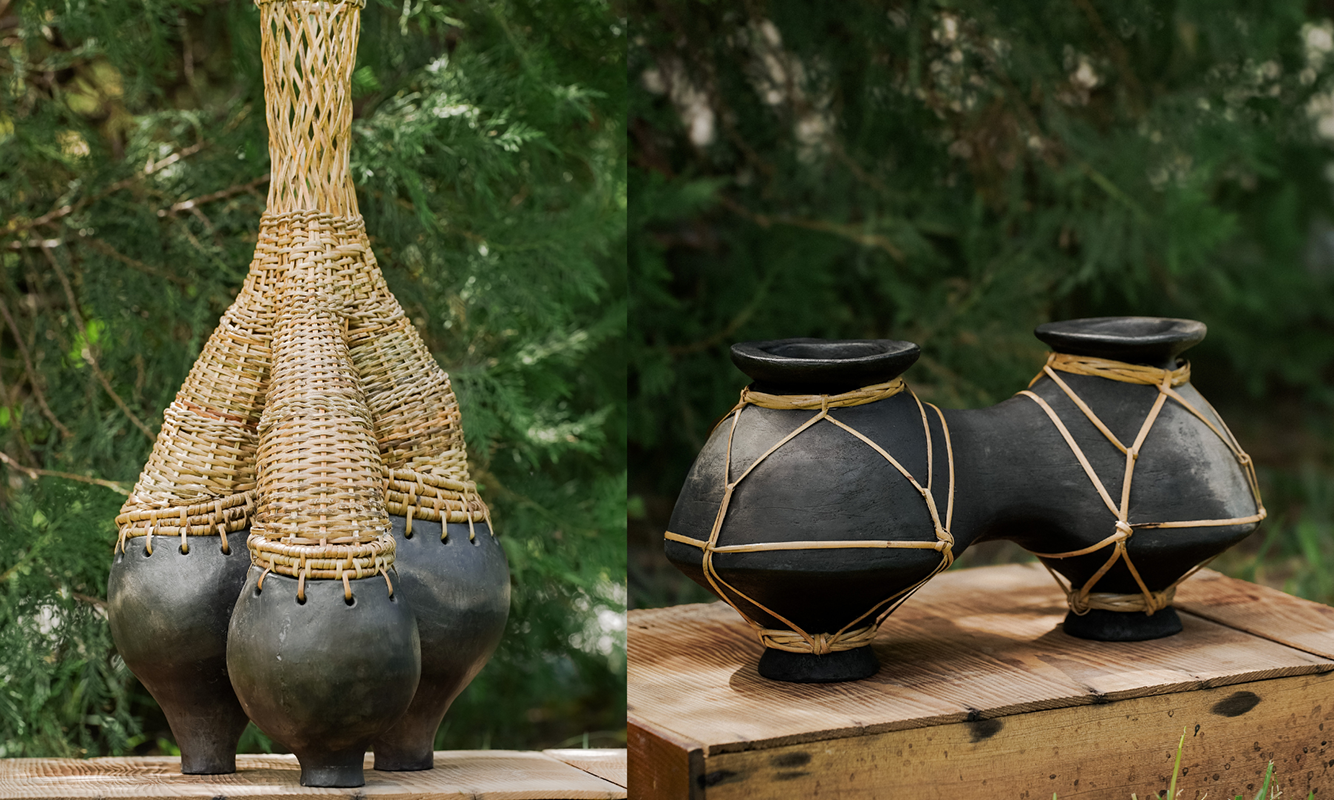
▲Works by Taitung craft artist Hsieh Sheng-Hua《The Echo of Three Stones》&《The Flowing Vessel》(from left to right) (Photo/Taitung County Government)
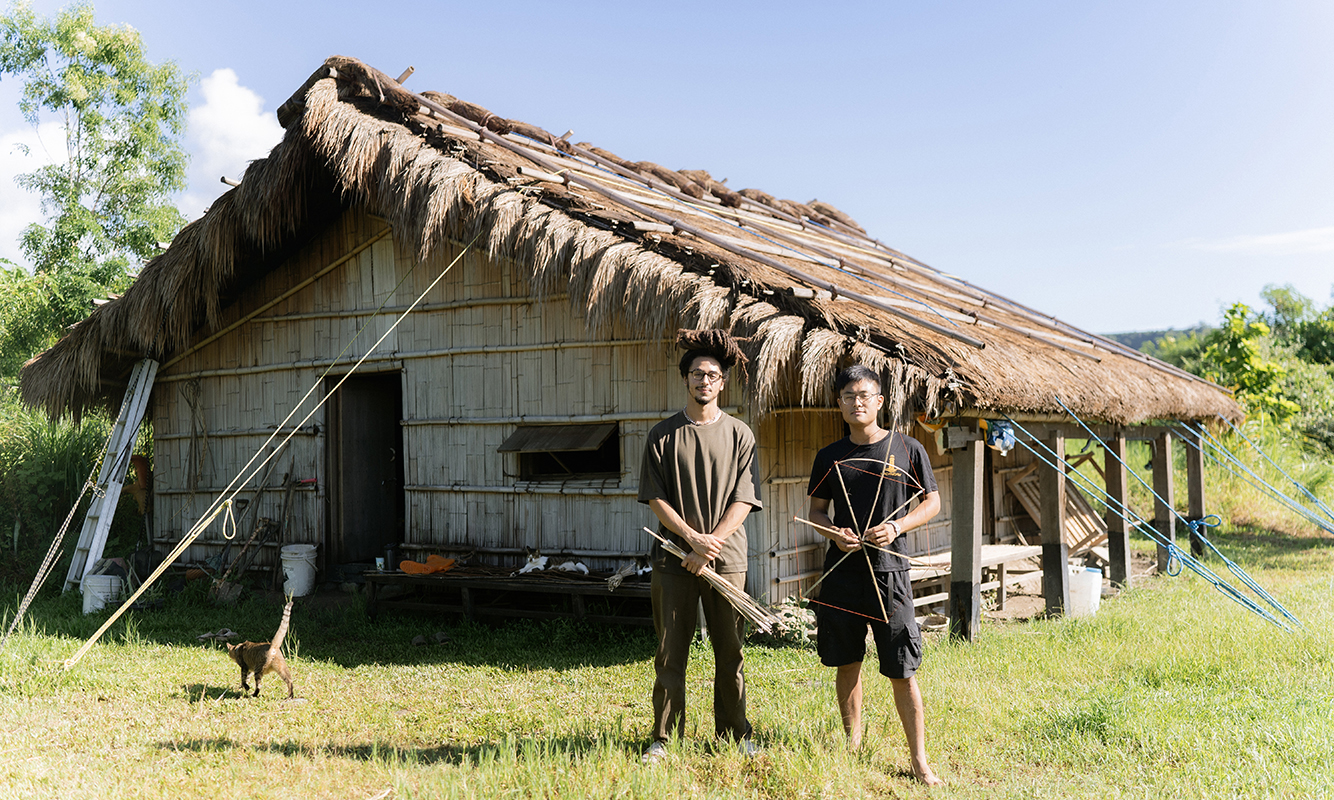
▲Bermudian artist Jordan Carey with Tsai Hao-En from Mitoliken a Loma. (from left to right) (Photo/Taitung County Government)
between rattan, bamboo, and nature,
Jordan Carey, a Bermudian artist of African and Indigenous descent, centers his practice on reconnecting with ancestral knowledge and the land. Drawn to Taiwan’s Indigenous crafts and cultural depth, he undertook his residency at Mitoliken a Loma in the Amis community of Malaluo, Chenggong Township. His diptych 《Basket Saves Brothers & Kite Saves Cousins》was inspired by the Indigenous Taiwanese legend Kite Saves Brother, where a family rescues two brothers with a kite after they are caught stealing sugarcane. Jordan reinterprets this tale through Bermudian and Atlantic histories of sugarcane, using woven palm baskets and kite forms made of paper mulberry bark, shell ginger fiber, and recycled paper. Dyed with Taiwanese yam, indigo, and ink, the work bridges island stories to explore themes of kinship, survival, and cultural healing.
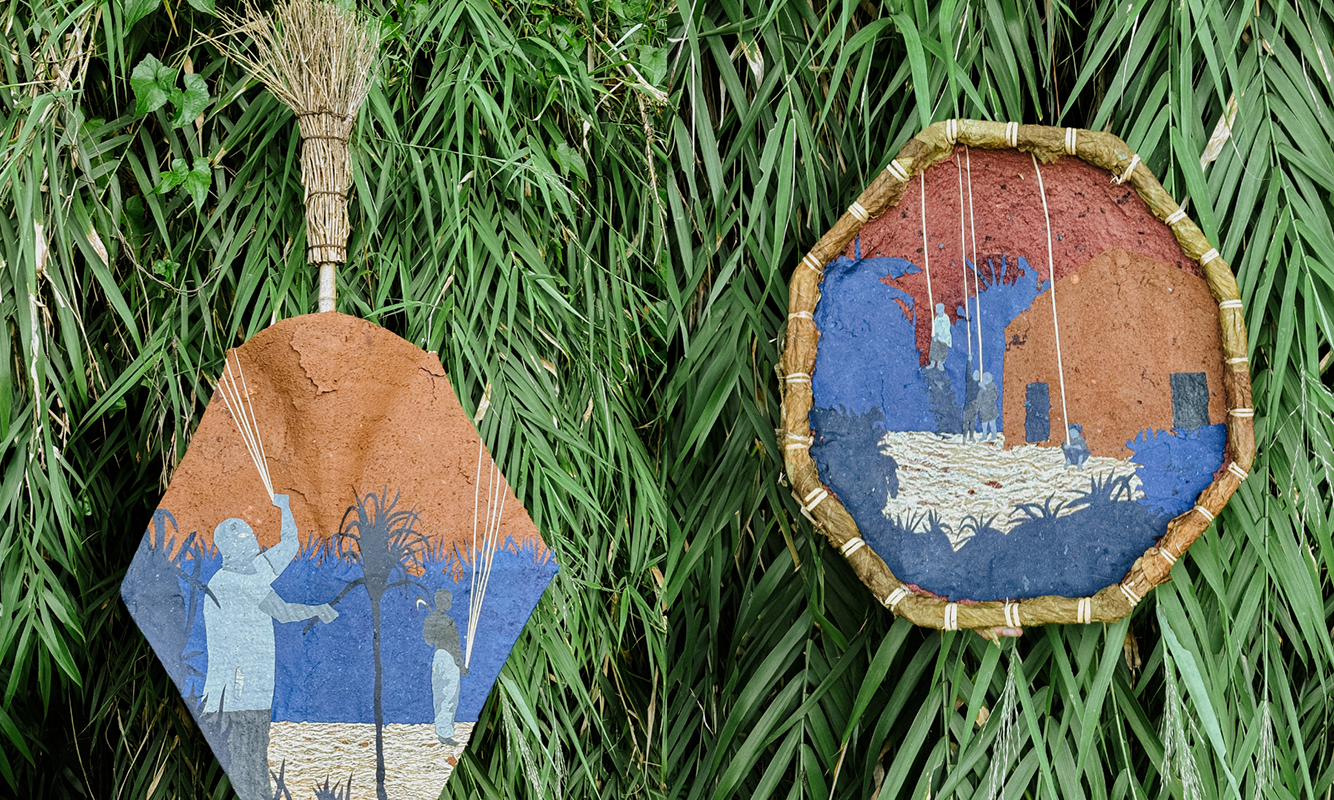
▲Works by Jordan Carey《Basket Saves Brothers & Kite Saves Cousins》(from left to right) (Photo/Taitung County Government)
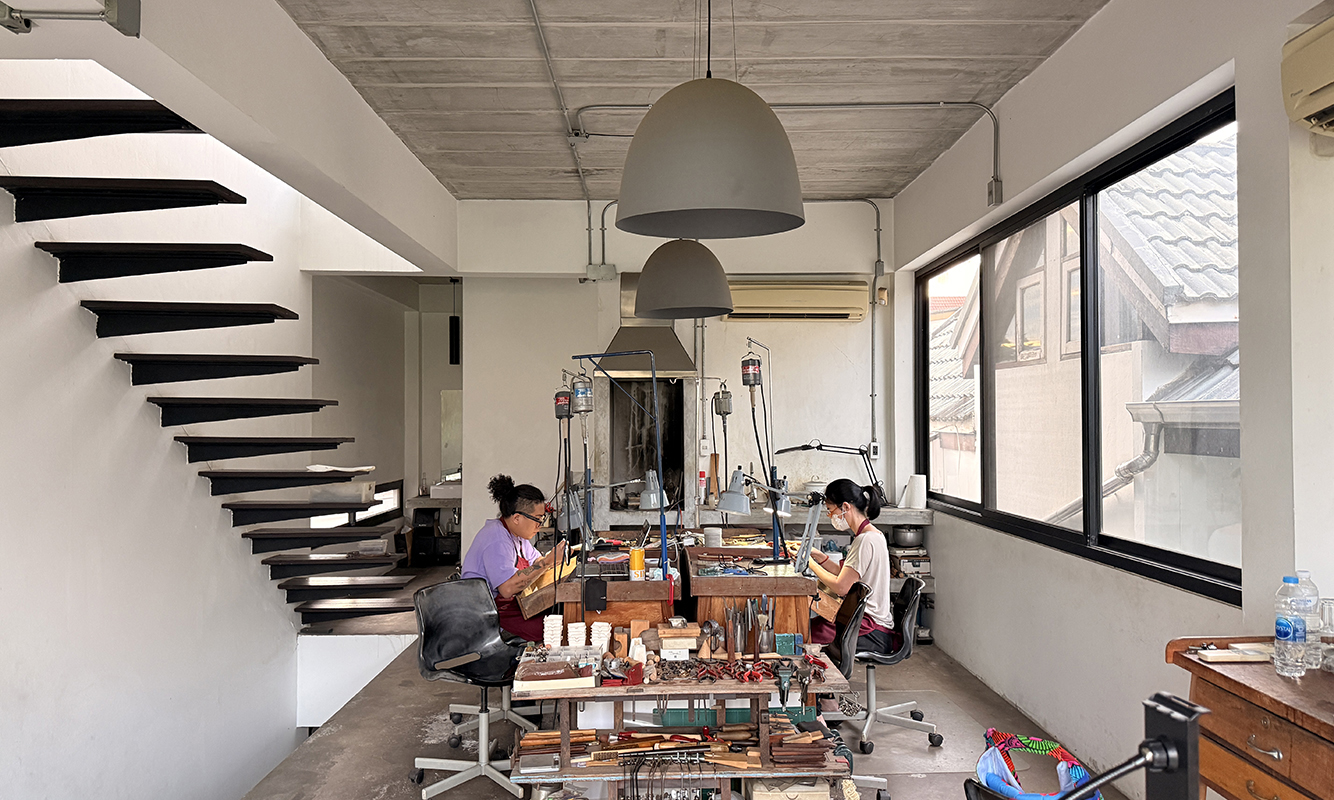
▲Taitung craftsperson Wang Chien-Chieh worked together with jewellery designer Rudee at Atelier Rudee in Bangkok, Thailand. (Photo/Taitung County Government)
the memory of culture is gently revived
Wang Chien-Chieh, an artist of Amis and Rukai heritage, has long researched and revived traditional Putay (beaded headdress) making in the Amis community of Malan. During his residency at Atelier Rudee in Bangkok, Thailand, he presented these headdresses at the Thailand Creative & Design Center (TCDC). 《Layers of Siam》captures his impressions of Thailand’s cultural richness—from the opulence of Bangkok to the tranquility of Chiang Mai—transforming local craft details into contemporary headpiece designs. In《Twin Lights of Thailand》, he explores Bangkok’s duality—modern vibrancy and timeless spirituality—using brass and faux pearls to reflect the contrast of light and belief.
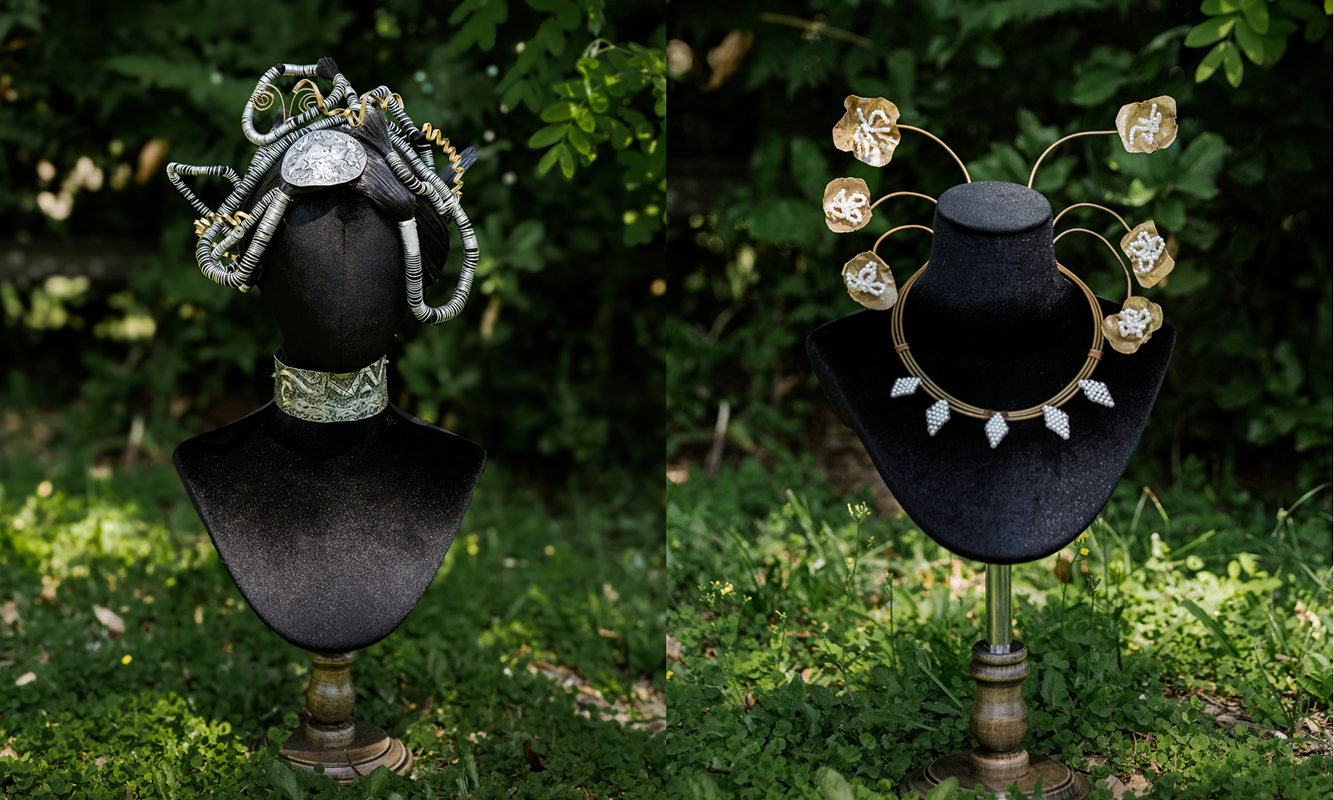
▲Works by Taitung craftsperson Wang Chien-Chieh 《Layers of Siam》&《Twin Lights of Thailand》(from left to right) (Photo/Taitung County Government)
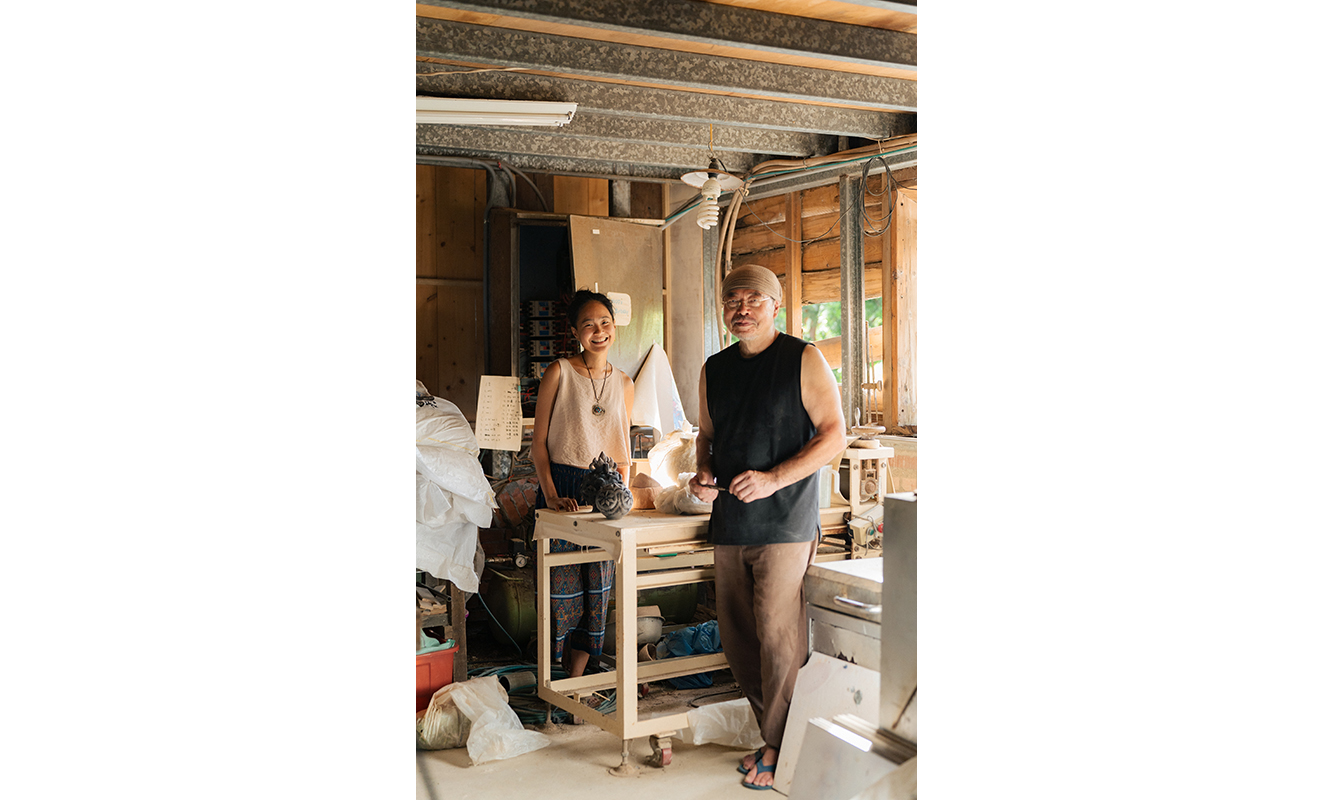
▲Taitung ceramic artist Wu Yi-Ping was undertaking a residency at Hanii Gama, run by Mr. Masayuki Yamashita on Yakushima Island, Japan. (Photo/Taitung County Government)
The soul of craft is quietly preserved
Wu Yi-Ping, a ceramic artist from Taitung, undertook her residency at Hanii Gama in Yakushima, Japan, working with ceramicist Masayuki Yamashita. Together, they studied the island’s soil and wood-fired glazing effects, exploring the vitality of the island through earth and fire. 《踊り》 draws inspiration from the rhythm shared between Yakusugi cedar and human life. Through wood-fired ceramics made with Yakusugi ash, she evokes a “dance of rebirth,” where fire, wood, and clay coexist and transform. Her second piece, 《Silent Clamor》, contemplates the cycles of growth and decay—mirroring the relationship between human society and nature. The moss-covered forests of Yakushima, though serene in appearance, conceal fierce competition beneath their calm surface, reflecting the tension between order and pressure within Japanese culture.
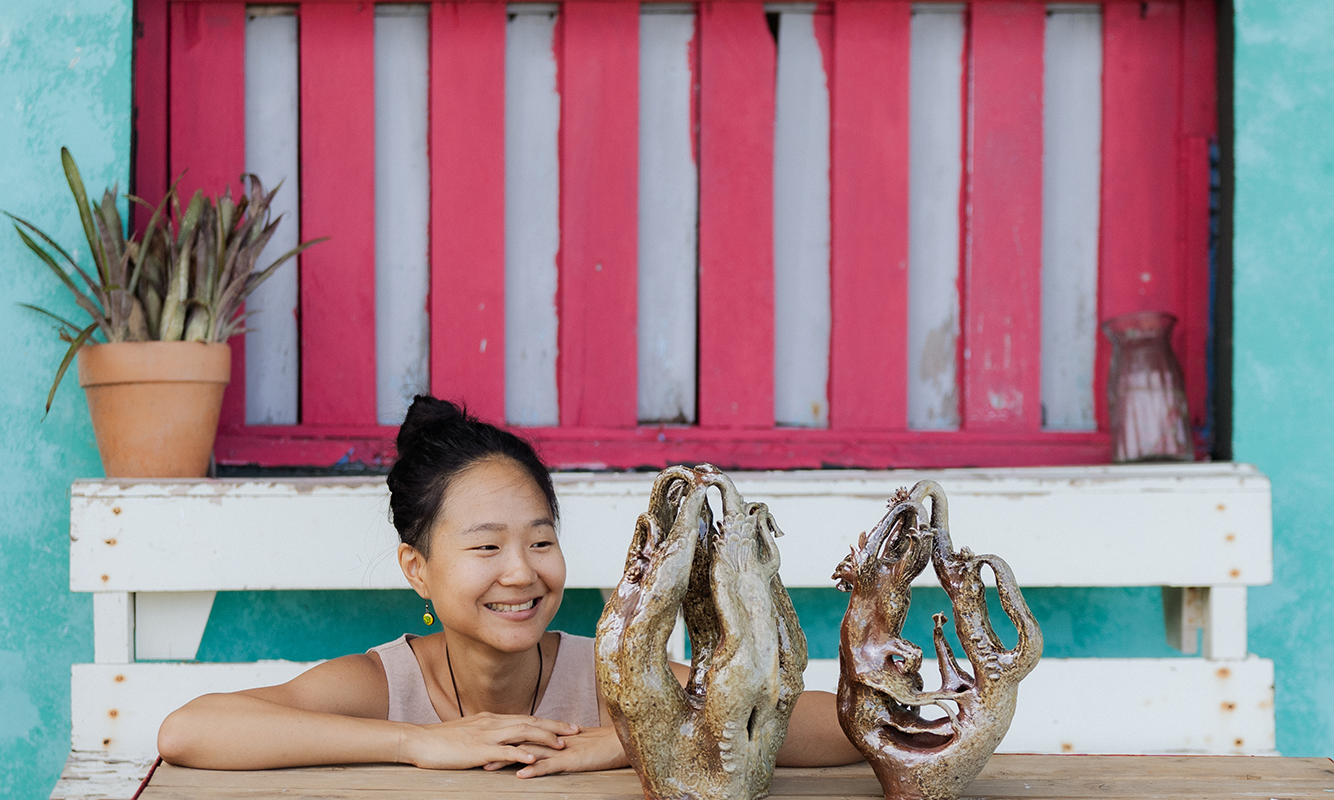
▲Works by Wu Yi-Ping《踊り》&《Silent Clamor》(from left to right) (Photo/Taitung County Government)
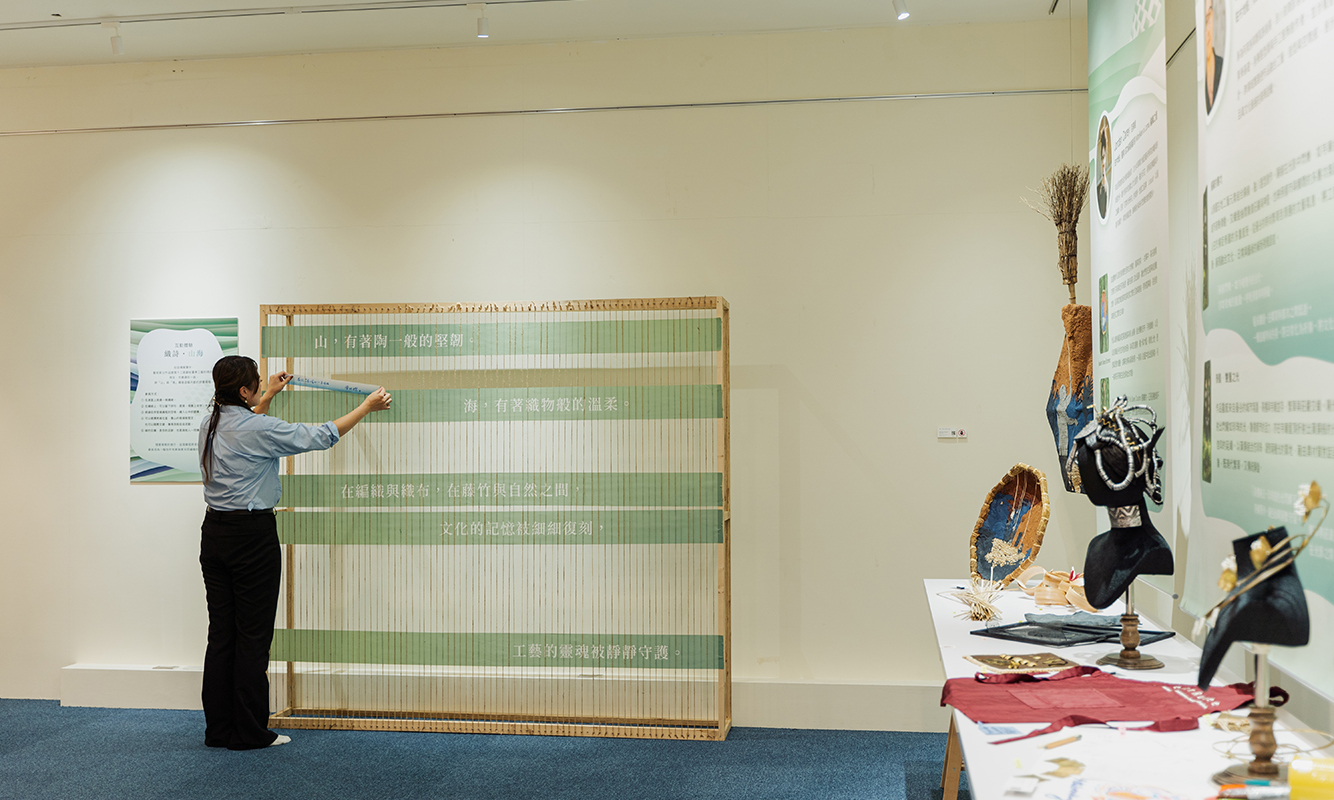
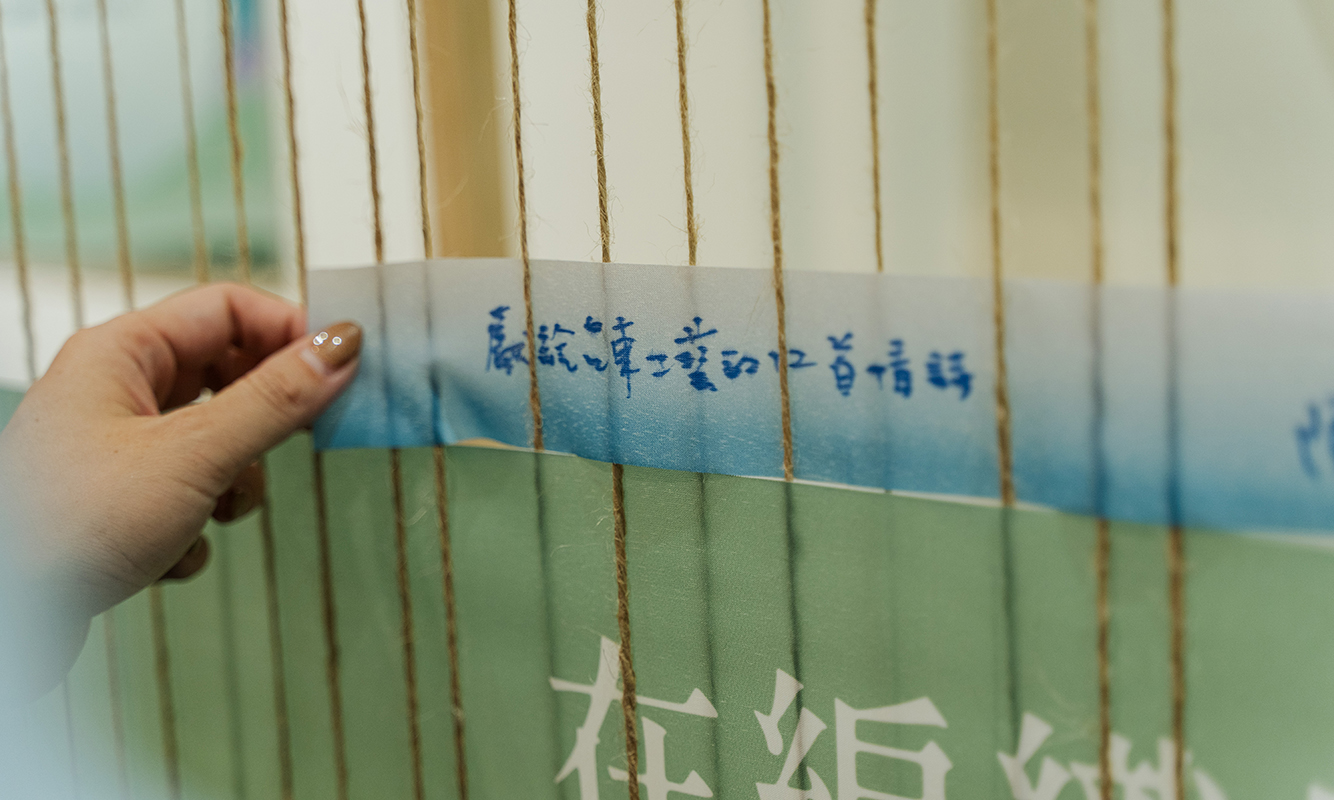
▲The interactive weaving frame in the exhibition allows visitors to actively participate and engage with the artwork. (Photo/Taitung County Government)
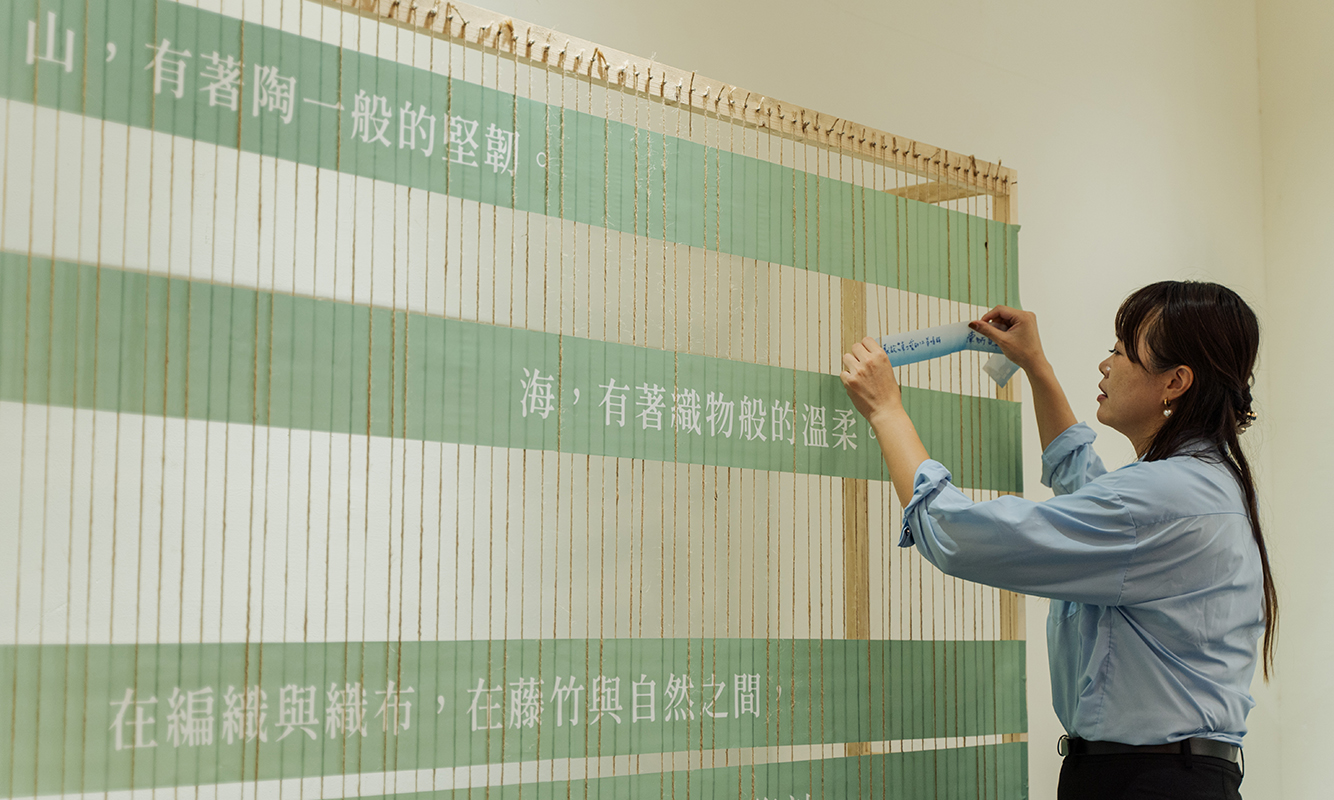
▲The interactive weaving frame in the exhibition allows visitors to actively participate and engage with the artwork. (Photo/Taitung County Government)
Beyond the static displays, the exhibition features an interactive weaving frame where visitors can write reflections or paint on ribbons and weave them into the collective artwork. As the exhibition progresses, the frame gradually fills—becoming a communal tapestry. This exhibition presents more than artistic outcomes—it embodies a profound cultural connection. Through dialogue with Taitung’s mountains, seas, craftspeople, and ancestral beliefs, the artists have created works that resonate across islands and generations.Each of the twelve pieces is like a poem—rooted in identity yet reaching outward—revealing how craft continues to grow, intertwine, and echo within our shared human memory.